

Assist Care follow the view that personal identity is, “the concept you develop about yourself….. over the course of your life. This may include aspects ….. you have no control over, such as where you grew up or the colour of your skin, as well as choices you make in life, such as how you spend your time and what you believe.” (Christine Scarince).

Assist Care encourage and support young people in exploring their personal identity and culture through building on their life experiences and supporting them in developing existing and new skills. Our aim is to develop and increase personal and social resilience, motivation, creativity and confidence whilst encouraging self-reflection and self-actualisation.
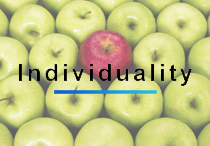
Assist Care believe every young person is individually unique and as such aims to develop personalised services around existing youth strategies that meet young people’s needs and interests.

This includes developing and supporting young people in participating and contributing to their agreed targets of their personal pathway plans and encouraging young people to participate in cultural activities that support the development of their identity and community cohesion.

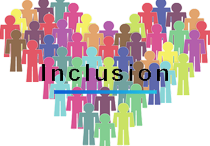
Assist Care actively promotes and encourages stakeholder inclusion. This includes regular consultation with young people on service development and delivery including engaging young people in developing their personal pathway plans, identifying agreed targets and outcomes and providing regular opportunities to feedback on services received to promote continuous service development in line with young people’s needs and interest and government leaving care and youth work strategies.

We also work collaboratively with partners from the voluntary, statutory and business sectors to develop integrated partnerships to produce wrap around services that reduce duplication and maximise return on investment.

Assist Care believes that young people are key stakeholders within the company and as such should be involved in decision making processes that support their transition to independent living.

Part of this process includes providing young people with the skills and information that enables them to make reasoned decisions about their lives and futures based on factual information and an understanding of the consequences of their actions.

This includes support in developing their communication skills, self-efficacy, trust relationships and personal resilience and most importantly acknowledging their achievements through positive reinforcement and developing sense of ownership within the project.

Assist Care are key advocates of continuous personal and social development and believe education and learning are key factors in supporting young people’s transition to independent living and adulthood.

We promote, encourage and support young people to participate in formal and informal educational, community placements and other learning opportunities. Our strong partnerships and links with education providers and establishments provide a strong infrastructure to support young people in identifying and developing their educational aspirations.

This includes provision of bite size programmes, in/formal workshops, training opportunities, college and further education and apprenticeship opportunities that increase young people’s positive outcomes, skills and learning and improves their long term life chances and future employability.

Assist Cares are fully committed to promoting, embedding and developing equality. We acknowledge that each young person is an individual with their own needs, beliefs and interests and acknowledge that their experiences may have influenced their behaviour, beliefs and attitudes.

We encourage young people to explore culture and diversity through challenging stereotypes and young people’s negative beliefs, behaviours and attitudes to reduce hate crime, discrimination, extremism and radicalisation.

We aim to promote equality, diversity, understanding and community cohesion through exploring the personal, social and cultural factors that influence our beliefs, behaviour and attitudes towards faith, ethnicity, disability, sexuality, gender, age, class and social backgrounds.